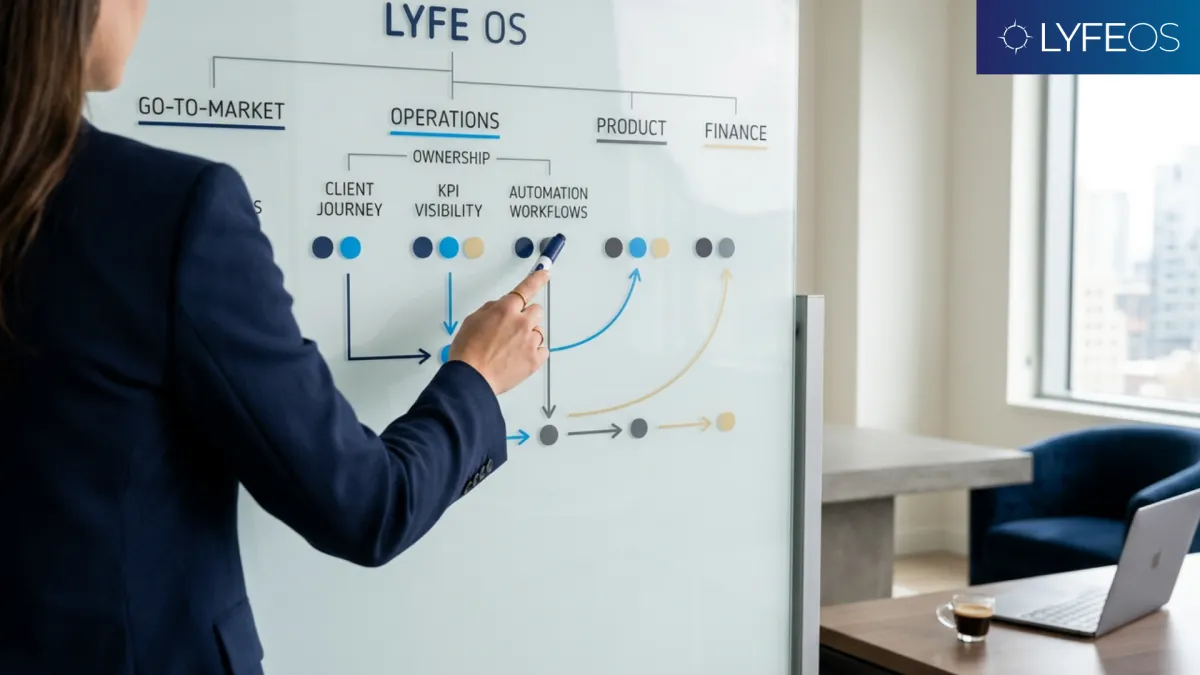
Why Founders Get Stuck in the Weeds and How to Get Out
If your business cannot move without you, the problem is usually not effort. It is structure. You may be working hard, showing up for your team, and staying deeply committed, but if every decision, approval, client issue, and moving part still routes back to you, the business is training itself to depend on you at the wrong level. That is why growth starts to feel heavier instead of more supported.
A lot of founders assume this is just part of leadership. It is not. It is usually a sign that your role is still set up too close to the day-to-day operations. When that happens, you stay busy reacting instead of leading, and the business stays stuck in a cycle where progress only happens when you personally push it forward. That is the exact kind of pressure LYFE OS speaks to across the site, especially for founders who have real momentum but are still holding everything together behind the scenes.
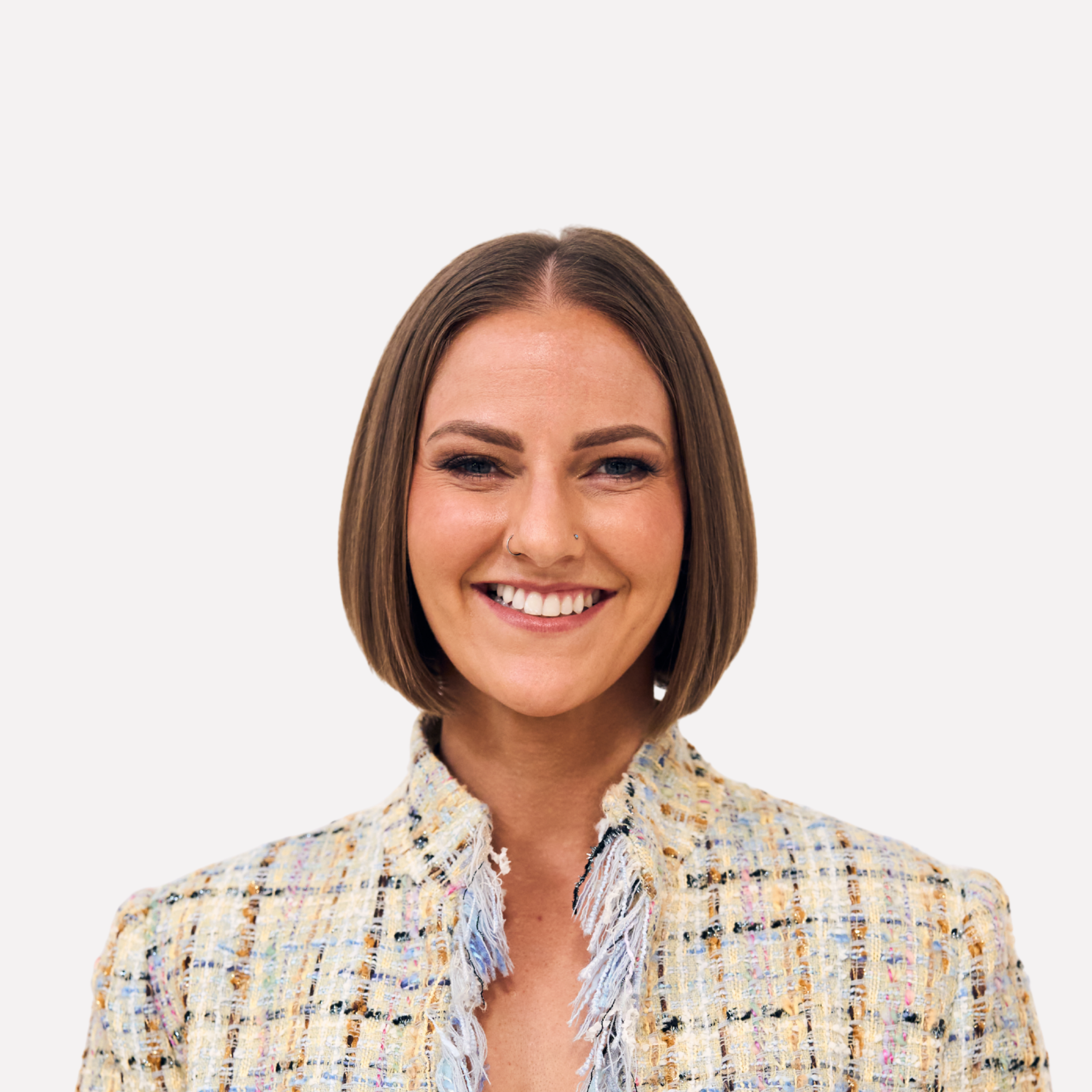
I’m Nikki Pepper, founder of LYFE OS, a fractional COO and embedded operating partner for founders who need stronger systems, structure, and execution to scale without carrying every moving part themselves. At LYFE OS, we help founders step out of day-to-day operations and into the CEO role by building the backend systems, workflows, and operational support their business needs for scalable growth.
In this article, I’m breaking down:
Why a founder gets stuck in the weeds in the first place
What this pattern costs the business over time
How to step back into strategic leadership without losing control
And what to fix first if you want the business to depend less on you
Why a founder gets stuck in the weeds
A founder stuck in the weeds is rarely there because they want to micromanage everything. More often, they ended up there because the business grew faster than the structure behind it.
At first, being involved in everything can feel efficient. You know the clients, you know the offers, and you know how to make quick decisions. But as the business grows, that same pattern starts to break down. More clients mean more communication. More team members mean more questions. More offers mean more delivery complexity. Without strong business systems and processes, all of that complexity flows back to the founder.
This is why founders get trapped in operational work even when they are trying to lead. The business still needs too much from them to function.
It usually shows up like this:
Team members waiting for your approval before moving forward
Client delivery depending on your oversight to stay consistent
Important tasks living in your head instead of in a process
Too many bottlenecks sitting with you
Constant context-switching between leadership, operations, and problem-solving
Your services page says this clearly. Growth does not break businesses. Lack of structure does. If the backend is weak, the founder becomes the backup plan for everything.

What this costs the business
When a founder stays too deep in the weeds, the cost is not just personal overwhelm. It impacts how the business performs.
First, strategy gets crowded out. Your homepage draws a sharp distinction between the visionary and the operator. The visionary sets direction, mission, culture, and relationships. The operator builds systems, processes, and measurable results. Most founders try to do both, and that is where growth starts to stall.
Second, delivery gets fragile. If smooth execution still depends on you checking everything, fixing handoff issues, or keeping the team aligned manually, the business is not stable yet. It might look polished from the outside, but behind the scenes it is still being held together by founder involvement.
Third, your team cannot fully grow into ownership. If people are used to coming back to you for every answer, they will keep doing it. Not because they are incapable, but because the business has not created the structure that supports true team ownership.
Fourth, growth begins to create more drag instead of more leverage. That is the opposite of scalable growth. More revenue should not automatically mean more dependence on the founder.
This is exactly why the LYFE OS site keeps returning to the same themes: systems, structure, execution, client journey, and stronger support behind the scenes. These are not nice-to-haves. They are what allow a founder to stop carrying the business personally.
How to step back without losing control
A lot of founders resist stepping back because they think it means becoming disconnected. That is not the goal. The goal is to move from being the center of execution to being the leader of a stronger operating structure.
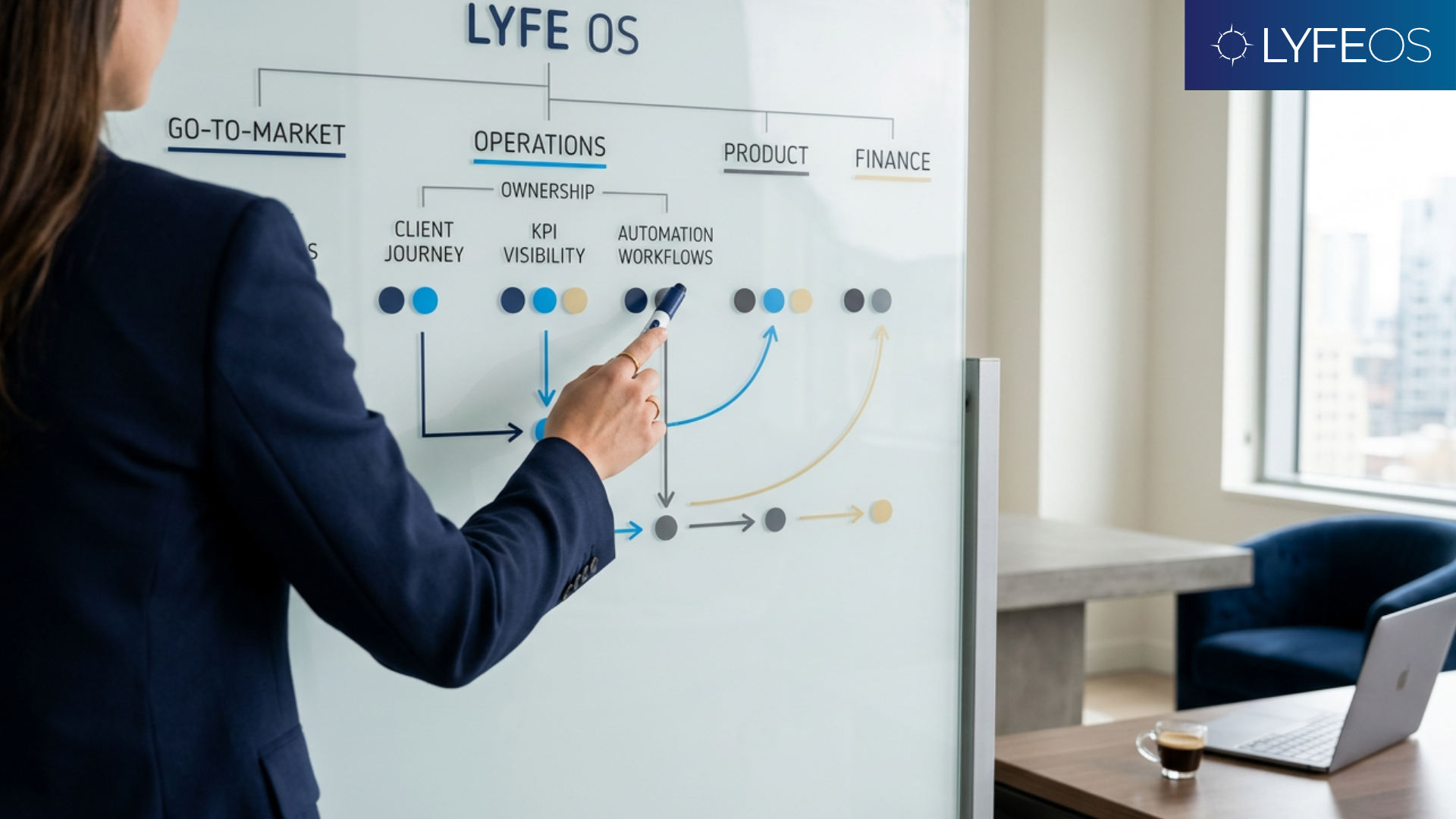
You do not get out of the weeds by caring less. You get out of the weeds by building better visibility, clearer ownership, and stronger backend systems.
That shift usually requires three changes.
1. Move from personal involvement to operational visibility
If you are constantly checking in because you do not trust what is happening, the real issue is often lack of visibility. You need a better way to see the state of delivery, priorities, and team progress without being in every detail.
That can look like:
A clearer project management rhythm
Better status tracking
Weekly operational reviews
Dashboards or simple reporting on key priorities
Documented workflows that make the work easier to follow
This is part of how you build operations that do not depend on you. You still stay informed, but you are no longer the mechanism holding every piece together.
2. Move from founder memory to repeatable process
If your team still has to ask you how something gets done, there is likely a process gap. Strong businesses do not run on memory. They run on repeatable workflows, clear SOPs, communication systems, and expectations everyone can follow.
Your services page speaks directly to this through terms like onboarding systems, workflow setup, communication processes, tracking systems, and client delivery infrastructure. That language should also shape how you think about your own leadership role. You get out of the weeds by replacing personal rescue with operational structure.
3. Move from task management to real ownership
Delegation alone is not enough. If people are delegated tasks but not ownership, the founder still ends up carrying the real responsibility. The goal is not just to pass work off. It is to build a team and operating structure where outcomes are owned more clearly.
That means:
Naming who owns each function
Defining what success looks like
Setting clearer decision rights
Reducing how often work needs to come back to you
What to fix first
If you recognize yourself in this pattern, do not try to overhaul the entire business at once. Start by identifying the areas where your involvement is still carrying too much weight.
A simple starting point is to ask:
Where do decisions keep routing back to me?
What parts of delivery slow down when I am unavailable?
Where is the team waiting on me too often?
What feels messy, manual, or unclear behind the scenes?
Which parts of the client journey still depend too much on founder oversight?
These questions are closely aligned with the reflection prompts already on your contact page, which ask founders to assess what feels harder, slower, or more manual than it should and where they are still too involved in the day-to-day.
From there, focus on one of these first:
Clarifying ownership in a key area
Documenting one repeatable workflow
Improving visibility around delivery or operations
Tightening one weak point in the client journey
Reducing one approval bottleneck
This is how a founder begins to step back into strategic leadership. Not through theory, but through practical changes that reduce dependence and strengthen execution.
What it looks like when you get out of the weeds
When this shift starts working, the business feels different.
You are still leading, but not carrying every moving part personally. The team moves faster with less hand-holding. Delivery feels smoother. Bottlenecks become easier to spot. Communication gets cleaner. Growth starts to feel more supported.
That is the kind of business LYFE OS is built around. One where the founder can step out of the daily operational burden and lead with more focus, stronger support, and better structure behind the scenes.
Getting out of the weeds does not mean losing control. It means building the kind of control that comes from structure, not over-involvement.

Conclusion
If you feel like your business cannot move without you, the issue is usually not that you need to work harder. It is that the business is still too dependent on you in the wrong ways.
A founder stuck in the weeds needs more than motivation. They need stronger systems, clearer ownership, better visibility, and more reliable support behind the scenes. That is what allows you to move out of reactive management and back into the CEO role.
If your business is growing but still feels too dependent on you, Book a discovery call with LYFE OS.We can look at where the pressure is coming from, what is slowing the business down, and what kind of structure would create the biggest lift next.
FAQ
What does it mean to be stuck in the weeds as a founder?
It usually means you are too involved in the daily execution of the business. You are still making too many decisions, solving too many problems, and carrying too much operational responsibility yourself.
Why do founders get stuck in day-to-day operations?
It often happens because the business lacks strong systems, clear ownership, and repeatable workflows. As the company grows, that missing structure creates more complexity, and the founder becomes the default solution.
How do I get out of the weeds without losing control?
Start by building better visibility, not more distance. Improve tracking, document key processes, clarify ownership, and strengthen the backend so you can stay informed without being involved in every task.
What kind of support helps with this?
This is where a fractional COO or embedded operating partner can be helpful. The right support strengthens the systems, structure, execution, and operational support behind the business so it can run with less founder dependence.