
How to Stop Working in Your Business and Start Leading as a CEO
If you are still making every decision, solving every problem, and carrying the day-to-day, your business may be growing, but it is not yet built for scalable growth. When the founder stays buried in approvals, delivery, team questions, and constant problem-solving, the business starts to depend on them for every moving part. That makes growth feel heavier, not stronger. Your role gets pulled out of leadership and back into management.
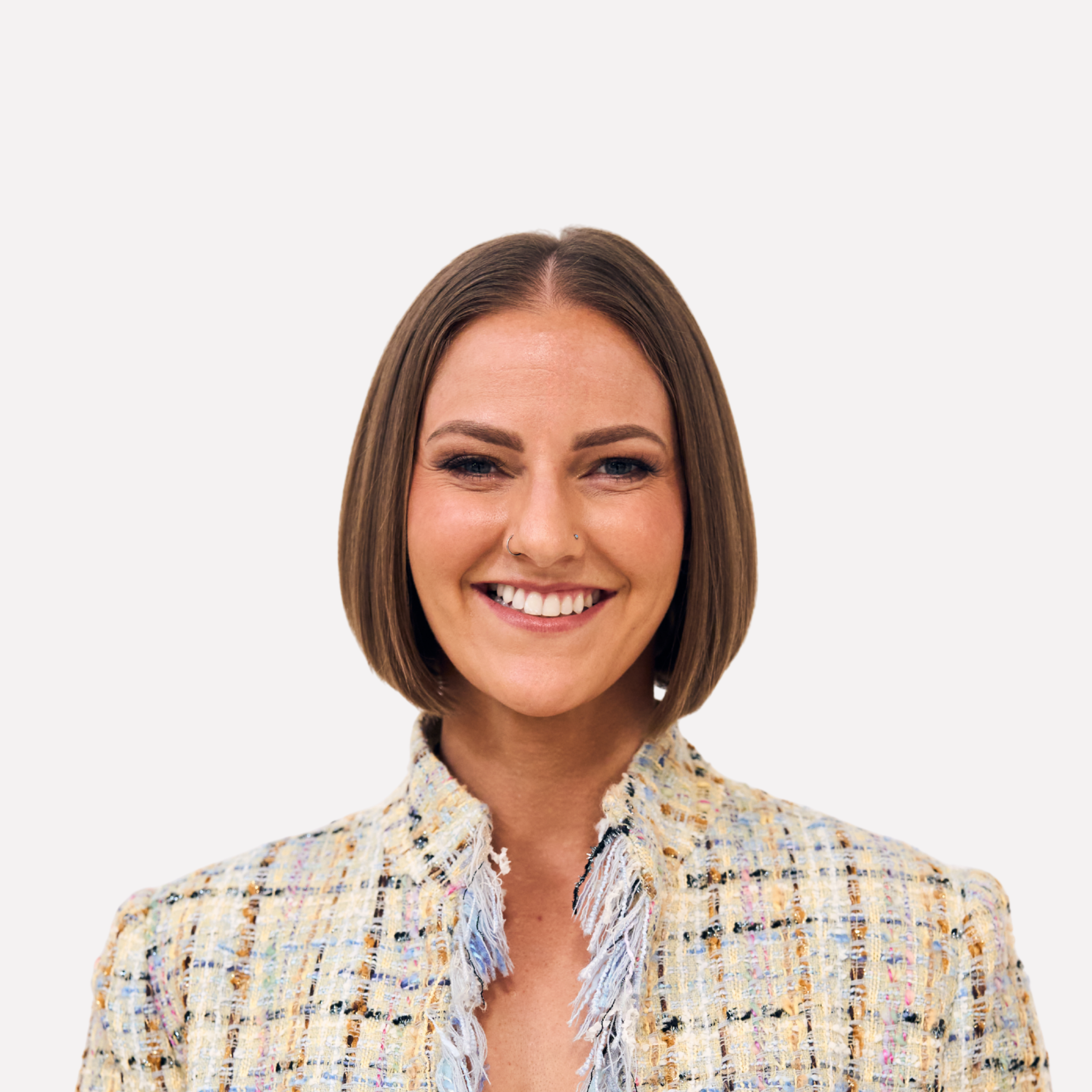
I’m Nikki Pepper, founder of LYFE OS, a fractional COO and embedded operating partner for founders who need stronger systems, structure, and execution to scale without carrying every moving part themselves. At LYFE OS, we help founders step out of day-to-day operations and into the CEO role by strengthening the backend systems, workflows, and operational support the business needs to run well.
Why founders get stuck working in the business
Most founders do not stay too involved because they lack ambition. They stay too involved because the business keeps handing work back to them.
That usually looks like:
Every decision needing founder approval
Team members waiting for direction
Client delivery living in scattered messages and memory
No clear ownership across projects
Growth creating more pressure instead of more capacity
This is exactly the kind of pain LYFE OS is built to solve. Your website already speaks to founders who are still managing everything behind the scenes, fixing bottlenecks, carrying delivery, and holding the operation together. When that is the reality, growth is not the issue. The lack of structure behind it is.
A lot of founders assume this is just part of being committed. It is not. It is usually a sign that the business still depends too much on the founder to function. If you are still the one holding the moving parts together, you have not fully stepped into the CEO role yet.

Why this matters more than most founders realize
When you stay buried in the day-to-day, you are not just busy. You are training the business to rely on you at the wrong level.
That creates several problems fast.
First, strategy gets pushed aside. The website language for LYFE OS makes this very clear. When the leader gets pulled into daily operations, strategy suffers and growth slows.
Second, delivery becomes fragile. If client experience, communication, and execution all depend on the founder checking every detail, the business can look strong from the outside while feeling unstable behind the scenes. Your services page speaks directly to this gap by emphasizing backend infrastructure, phased implementation, and embedded support that helps the work actually stick.
Third, the team never fully grows into ownership. If everyone is used to routing questions, approvals, and decisions back to you, you do not have real support. You have assisted dependence.
This is why learning how to stop working in your business is not just a mindset shift. It is an operational shift. It affects leadership, delivery, team ownership, client journey, and the long-term strength of the company.
The real shift, from operator to CEO
On your homepage, there is a strong distinction between the visionary CEO and the operator role. The CEO sets direction, defines mission, builds relationships, and leads the business forward. The operator builds the engine, systems, processes, and measurable results. Most founders try to do both, and that is where growth starts to stall.
If you want to lead like a real CEO, the goal is not to care less. The goal is to stop functioning as the central processor for the entire business.
That means shifting from:
Doing the work to directing the work
Answering every question to creating clearer systems
Carrying delivery to building stronger ownership
Reacting all day to leading with intention
Solving every bottleneck yourself to fixing the structure that keeps creating them

What to change first if you want to get out of the weeds
The fastest way to start shifting out of over-involvement is not to “delegate more” in a vague sense. It is to identify exactly where the business still depends on you and start removing that dependence with structure.
Here are four places to start.
1. Audit where work keeps routing back to you
Look at the last two weeks and ask:
What decisions only I can make?
What questions kept coming back to me?
Where did I become the bottleneck?
What projects slowed down because I was too involved?
This gives you a real picture of your founder dependence.
2. Clarify ownership
If multiple people touch a task but no one fully owns the outcome, it will usually come back to the founder. Clear ownership is one of the biggest drivers of stronger team ownership.
This does not mean everyone needs total autonomy overnight. It means each major function needs clear responsibility, clear expectations, and a clear point person.
3. Strengthen the backend systems
If your delivery process, client journey, onboarding, communication, or internal workflow still lives in scattered tools or in your head, the business will stay heavier than it should. Your resources page already reinforces this well by naming topics like backend systems, operations that do not depend on you, and what to fix first when operations feel messy.
This is where systems, structure, and execution matter most. They reduce decision fatigue. They reduce rework. They reduce the need for constant founder involvement.
4. Protect your role as the CEO
If you want scalable growth, your calendar has to reflect the role you are trying to step into. That means protecting time for:
Strategic thinking
Leadership
Decision-making
Planning
Reviewing priorities at the right level
You cannot lead like a CEO if your entire week is spent reacting.
What it looks like when the business stops depending on you so much
When this shift starts working, the change is not just emotional. It becomes visible in how the business runs.
You start to see:
Smoother delivery
Fewer repeated questions
Stronger team follow-through
Better client experience
More reliable operational support
More room to think ahead
That outcome is already reflected across your site. LYFE OS is positioned as the operating partner that helps founders step out of daily operations, strengthen the business behind the scenes, and lead with greater focus and control.
That is the real goal. Not just “less work.” Better leverage. Better visibility. Better leadership. A business that can run more smoothly without constantly pulling you back into the weeds.

Conclusion
If you are still making every decision, solving every problem, and carrying the day-to-day, your business is asking you to operate at the wrong level.
Learning how to stop working in your business starts with recognizing that over-involvement is usually not a personal flaw. It is a structural issue. The business needs stronger systems, clearer ownership, better execution, and more support behind the scenes.
That is when you can stop acting like the person holding everything together and start leading like the CEO your business actually needs.
If your business is growing but feels heavier with every new client, that is usually the sign that stronger backend structure is overdue. Book a discovery call with LYFE OS to talk through what is creating the most pressure behind the scenes, what support would create the biggest lift, and what your next strategic step should be.
FAQ
What does it mean to be stuck working in your business?
It usually means you are still too involved in delivery, approvals, problem-solving, and daily decision-making. Instead of leading at a strategic level, you are functioning as the person holding operations together.
How do I know if my business depends too much on me?
A few signs are repeated team questions, delays when you are unavailable, delivery issues that route back to you, and constant founder involvement in day-to-day operations. If growth keeps making the business feel heavier, that is usually a clue.
What is the first thing to fix if I want to lead more like a CEO?
Start by identifying where work keeps routing back to you. Then strengthen ownership, backend systems, and workflows in those areas first.
Can a fractional COO help with this?
Yes. A fractional COO can help identify bottlenecks, build the systems and structure behind the business, improve execution, and reduce founder dependence so you can lead at a higher level. LYFE OS is positioned specifically as an embedded operating partner for that kind of support.